
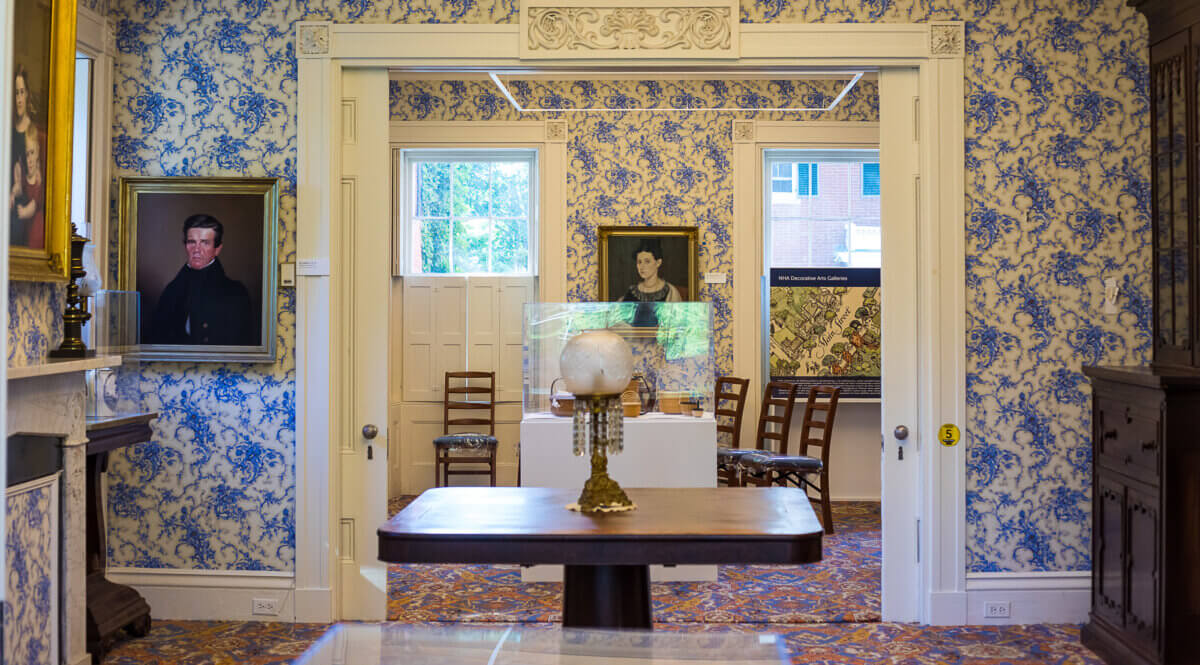
Explore the Decorative Arts collection of the NHA, from fine furniture, tall clocks, and ceramics to an eclectic display of curiously carved artifacts.
Learn more about Hadwen House, at 96 Main Street, here
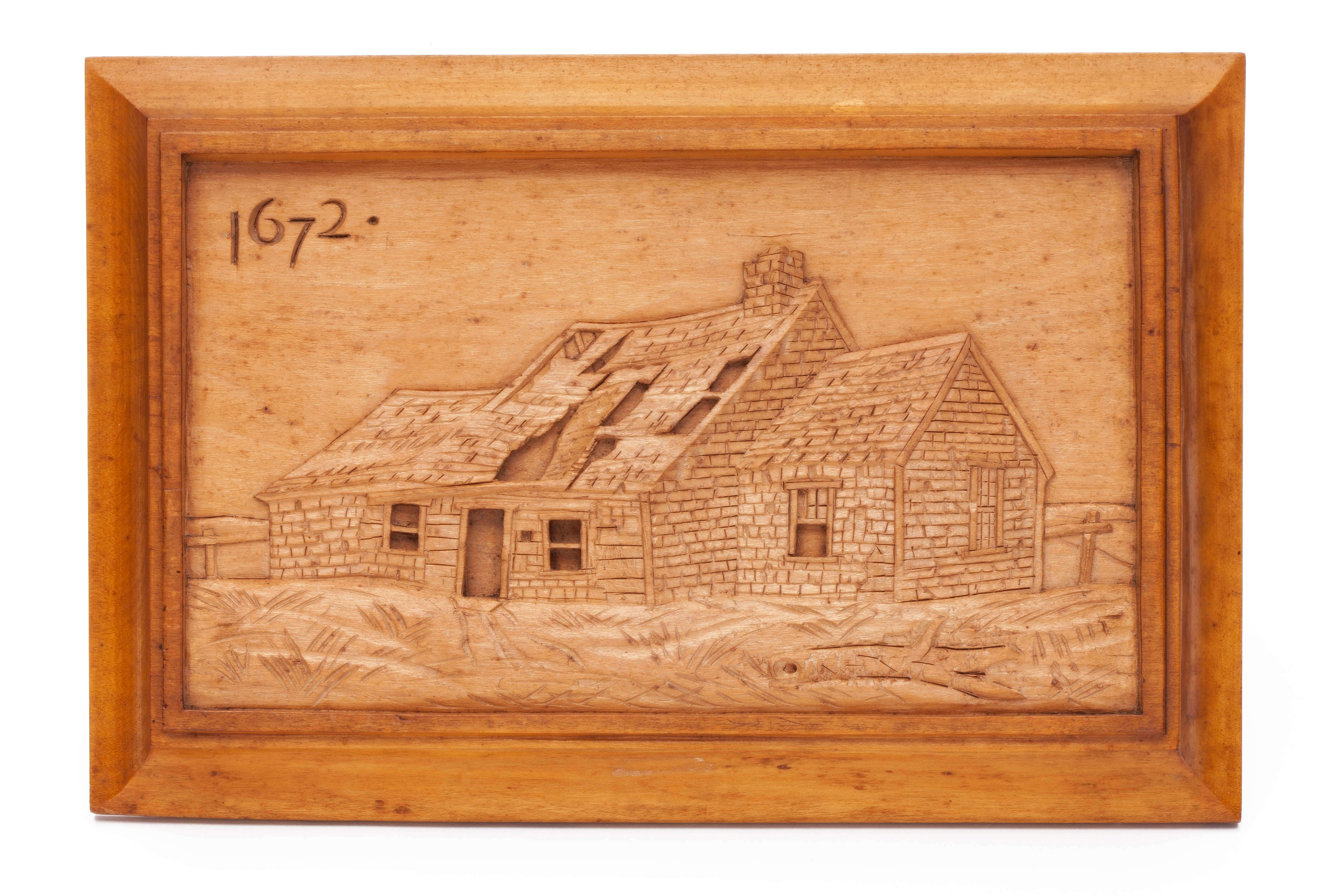
Wood, 63/4 x 10 in.
Purchase of the NHA, 1901.4.1.
Curiously Carved:
In this exhibit, we present a selection of curiously carved items from our broad Nantucket folk-art collection. The American whaleman’s tradition of fashioning items both useful and decorative from the bones and teeth of whales is represented by the assembly of canes and by a grouping of ivory and bone novelties nearby. The wood-hunting decoys are a few examples from hundreds made and used on island over the centuries. And the sailor-boy whirligigs demonstrate the development of Nantucket’s tourist economy—where happy souvenirs have been part of the vacation experience since the late nineteenth century.
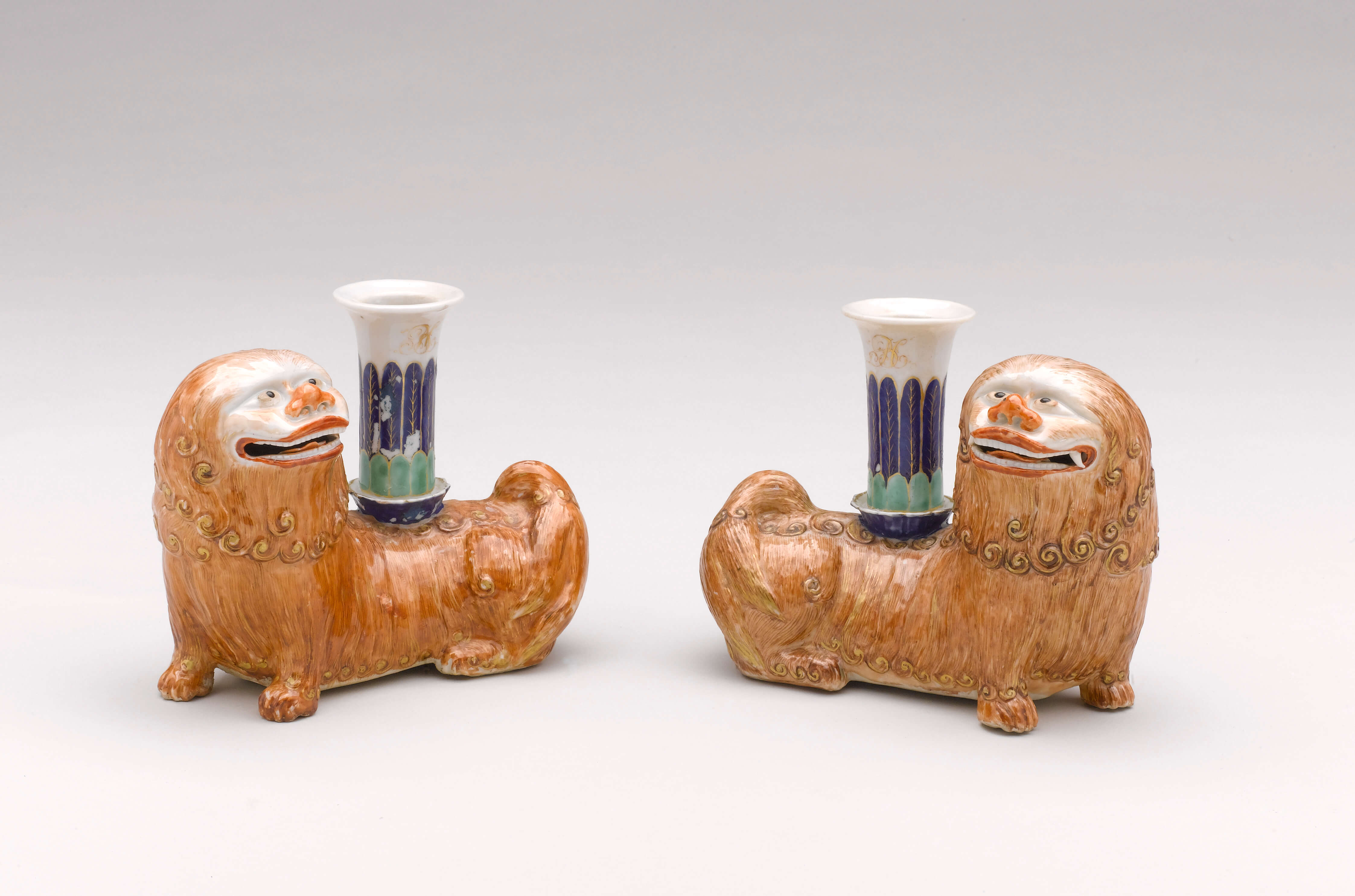
Ceramics from the Collection:
The history of decorated ceramics is a story of imitation of faraway cultures. Designs, materials and techniques were borrowed, traded and stolen back and forth between China, Holland, England, France, Turkey, Mesopotamia and elsewhere throughout several thousand years. Industrial espionage got its start in a pottery studio. While these canvases may be small, they tell big stories.
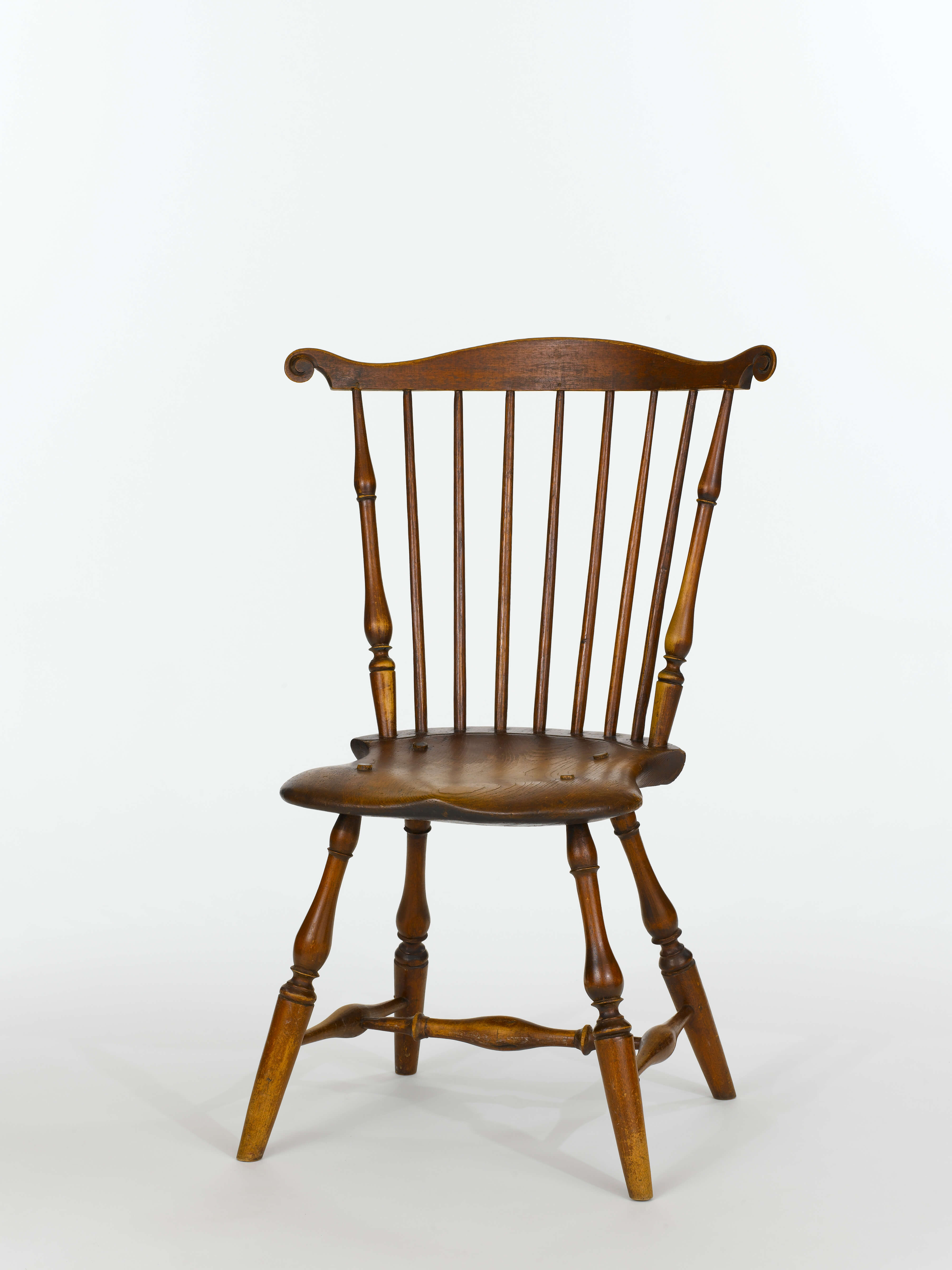
Furniture:
Furniture on Nantucket reflects the tastes of the people who lived here. Household pieces were frequently the work of off-island workshops, but some objects, including several in this exhibit, were made on island. Furniture maker Heman Ellis; astronomer and instrument maker Walter Folger Jr.; house carpenter and chairmaker Charles Chase; and second-generation chairmaker Frederick Slade are some of the local craftspeople whose skills are represented.
Art of Main Street:
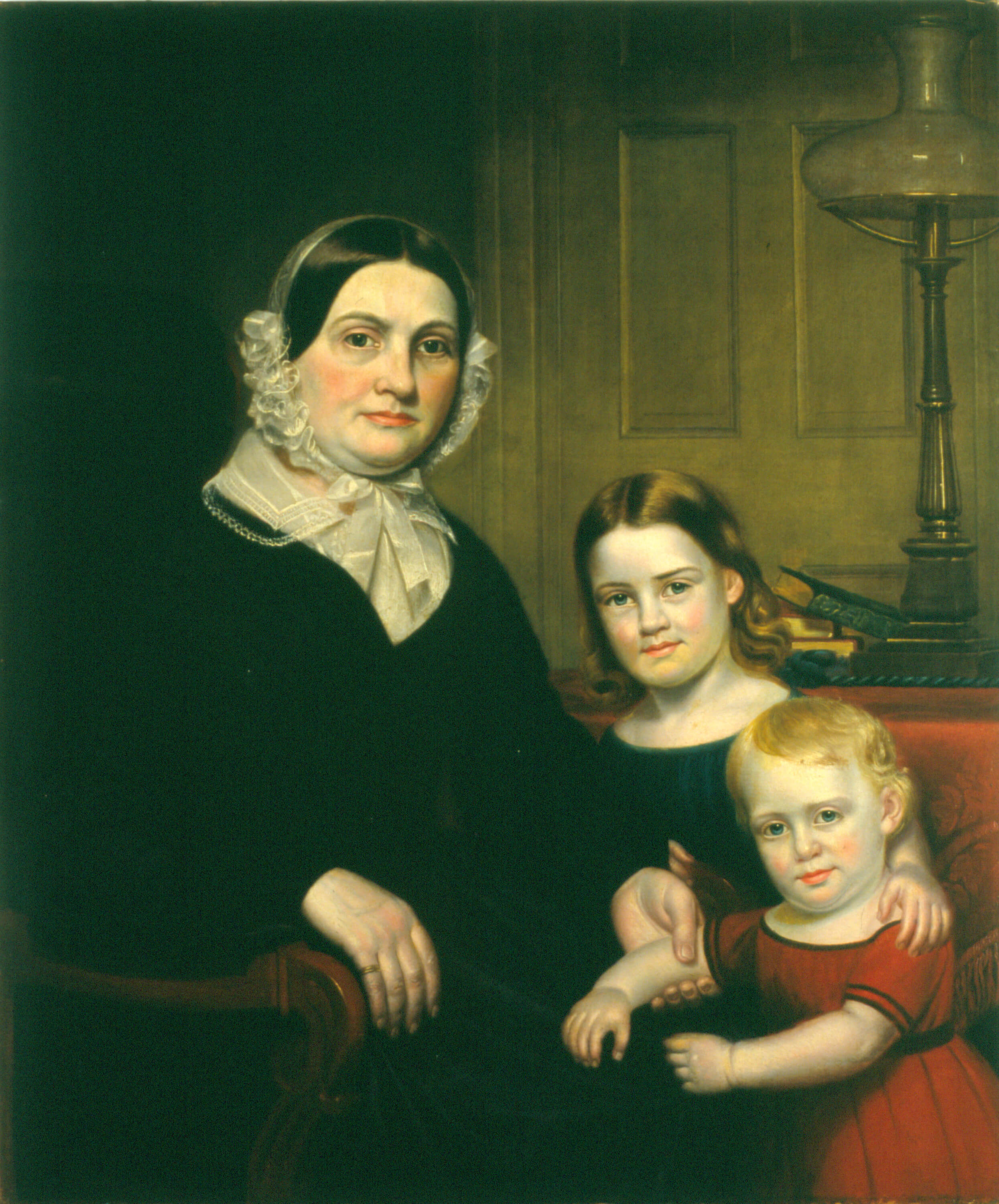
The owners of Nantucket’s whaleships, oil refineries, and candle houses amassed considerable wealth in the first half of the nineteenth century. They used this wealth, in part, to construct grand houses such as Hadwen House and to sit for portraits on display in this exhibit. Many of them are by William Swain (1803–1847), who was the most prolific and sought-after portrait painter on Nantucket in the 1830s and 1840s.